RSS

Welcome to Sumbawa Island


WELCOME TO SUMBAWA ISLAND


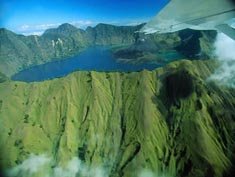
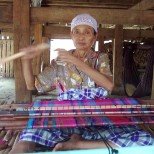
Sumbawa Island is the biggest island of the Province of Nusa Tenggara Barat - Indonesia and is located east of Lombok Island and west of the Komodos Island and Flores Island. Despite the dominance of Islam, local tradition (adat daerah) remains strong in Sumba Island. Although outsiders call the whole island “Sumbawa”, on the island this term is only used for the west. Sumbawa Island comprises of four regencies: Sumbawa Barat (capital: Taliwang), Sumbawa Besar (capital: Sumbawa Besar), Dompu (capital: Dompu) and Bima (capital: Bima). Each regency has its own distinctive atmosphere, culture and history. Sumbawa Island is three times the size of Lombok but holds just 1 million people. Therefore the island is a true nature paradise taht have unique tradition. The Sumbawa island stretches 300 kilometres east-west but its width varies from 15 to 90 kilometres. The two main ethnic groups of Sumbawa Island are the Tau Samawa who mainly reside in the Sumbawa district and the Dou Mbojo who live in the Bima district. The Samawa’s language is close to that of the Lombok Sasaks and Balinese to the west whereas the Bimanese language belongs to the eastern part of Eastern Indonesia. Sumbawa Island has a dominant Sulawesi influence, especially in architecture and the coastal population includes Bugis and Makassarese settlers. The Bima district is distinctively Arabic but a few kilometres east of Bima city, near Wavo, old traditions are strongly followed still today and ancient rituals connected with ancestral spirits are conducted regularly. Just recently archaeological excavations were conducted on Mount Tambora, Sumbawa’s volcano, discovering a complete city buried under 40 meters of volcanic ash together with ancient Chinese porcelain items. Mount Tambora erupted in 1815 and was recorded as the greatest eruption in known history. Once the highest volcano in Indonesia, Mount Tambora was truncated to 2,851 meters and the cone holds a huge caldera. A three day trek up to summit leads through dense rain forest and savannah areas. The highlight at the end of the trek is a boat trip to the island of Satonda consisting of the top of an emerging volcano (300 m) with a salt water lake. The island is home to many bird species,lizard and endemic fish as well as sea turtles. The regency of West Sumbawa Island is most likely the most beautiful in regards of nature. Isolated pristine beaches and turquoise waters line the west Sumbawa coast from Taliwang to Sekongkang. Most visitors to Sumbawa Island race straight to Bima to catch the boats to Komodo Island and therefore this area has been completely ignored by tourism with the result that the area is a real paradise for outback adventure. But the visitor is not only blessed with countless sparkling bays, the area also comprises of interesting history and traditional art work such as hand loom weaving and rotan crafts. Traditional dances going back to early Arabic influence and pre Islamic graves can add to the West Sumbawan experience. Sultan Palaces in Sumbawa Besar and Bima, Dutch heritage in Wavo and Sulawesi style weavings in Dompu regency as well as first class surfing in Dompu and West Sumbawa are other attractions not to be missed. Parts of Sumbawa Island resemble landscapes of North Australia and explain the Wallace Line such as Lake Taliwang covered with huge lotus flowers. Large herds of water buffaloes can be observed on lonely beaches and shy monkeys play in rain forests.

See, listen, touch, and feel all unique things in Sumbawa Island - Indonesia.

  • Digg
  • Del.icio.us
  • StumbleUpon
  • Reddit
  • RSS

Borneo Island, Home of Orang Utans


Welcome To Borneo Island
Formerly known as Borneo, Kalimantan (In bahasa Indonesia) is the world's second largest island. The North and North-western part of the borneo island are the East Malaysian state of Serawak and Sabah region, with the newly independent country of Brunei Darusalam between them.

The rest of the island is part of Indonesia, divided into four provinces - East Kalimantan, West Kalimantan, Central Kalimantan and South Kalimantan.

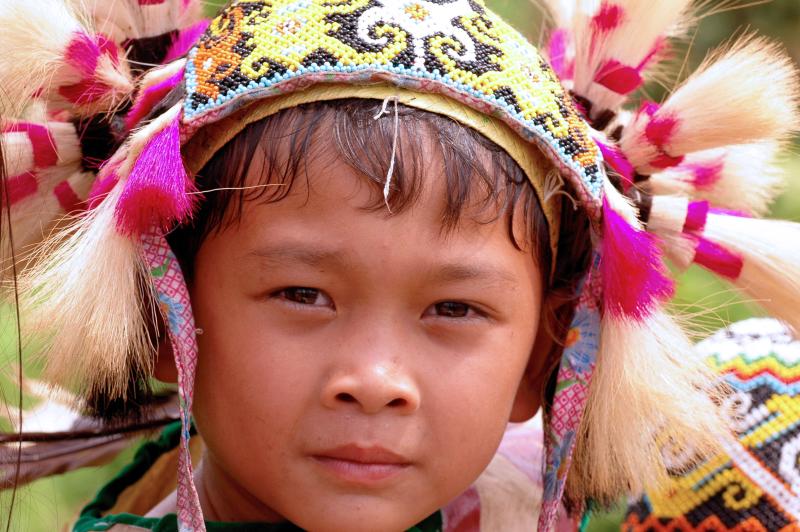
The tremendous outspread of jungles and wilderness, which are so rich in natural resources as timber, gas, oil and coal as well as scenic beauty - are comparable to that of a continent alone. Focal point for most visitors is the mighty Mahakam river, which meanders through thousands of kilometers through one of the worlds largest tropical rainforests, from its head water near the center of the island.The twenty main Dayak tribes - once feared as headhunters have their homes in this river basin, A remarkable varieties of plants and animals life including the famous fresh water dolphins which often accompany boats along the river make a visit to Kalimantan an enthralling venture to a different world. In year to come the Mahakam river trips are most likely to have a more modern outlook with modern crafts and all possible amenities. Unfortunately under such circumstances the Dayak village would have last their primitive charm, and a cliche scene of souvenirs shops would cluster along the riverside.

The time to take your Mahakam river trip is now...!! we hesitate to say that this tours are designed for the vigorous and adventurous visitors, but those taking these tours should be prepared for a degree of un-sophistication. River crafts have usually only one toilet on board, and sleeping accommodation is on the thin mattress, with blankets provided. If you are prepared to put up rith a little roughing up for a few days you will be guaranteed the adventure of your life time.

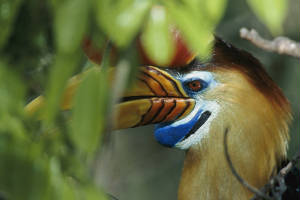
Tanjung Puting reserve, 415.050 hectares is situated in an ecologically diverse area of wetland, lowlands, swamp and hardwood rain forest. Borneo and Sumatra are the only places left in the world where Orang Utans (the man of the forest) still survive in their natural habitat.


resource: http://www.bali-travel-online.com

  • Digg
  • Del.icio.us
  • StumbleUpon
  • Reddit
  • RSS